

Mental Health Blog Articles

Relational Cultural Therapy (RCT): Why Connection, Not Independence, Might Be the Key to Healing
Relational-Cultural Therapy (RCT) is an approach built around the central idea that human beings are wired for connection, and disconnection is what causes psychological pain. It challenges traditional Western psychological models that often prioritize autonomy and separation.

Acceptance and Commitment Therapy (ACT): Living a life Guided by Values
Acceptance and Commitment Therapy (ACT) is a therapy approach focused on experiencing and understanding thoughts, feelings, and behaviors in a new way. Instead of trying to solve problems, ACT offers a new perspective of accepting experiences and choosing to live a life guided by values. An important goal of ACT is increasing cognitive flexibility, rather than trying to change or get rid of thoughts and feelings. Therapists using an ACT approach support these changes in thinking through acceptance, mindfulness, commitment, and behavior change.
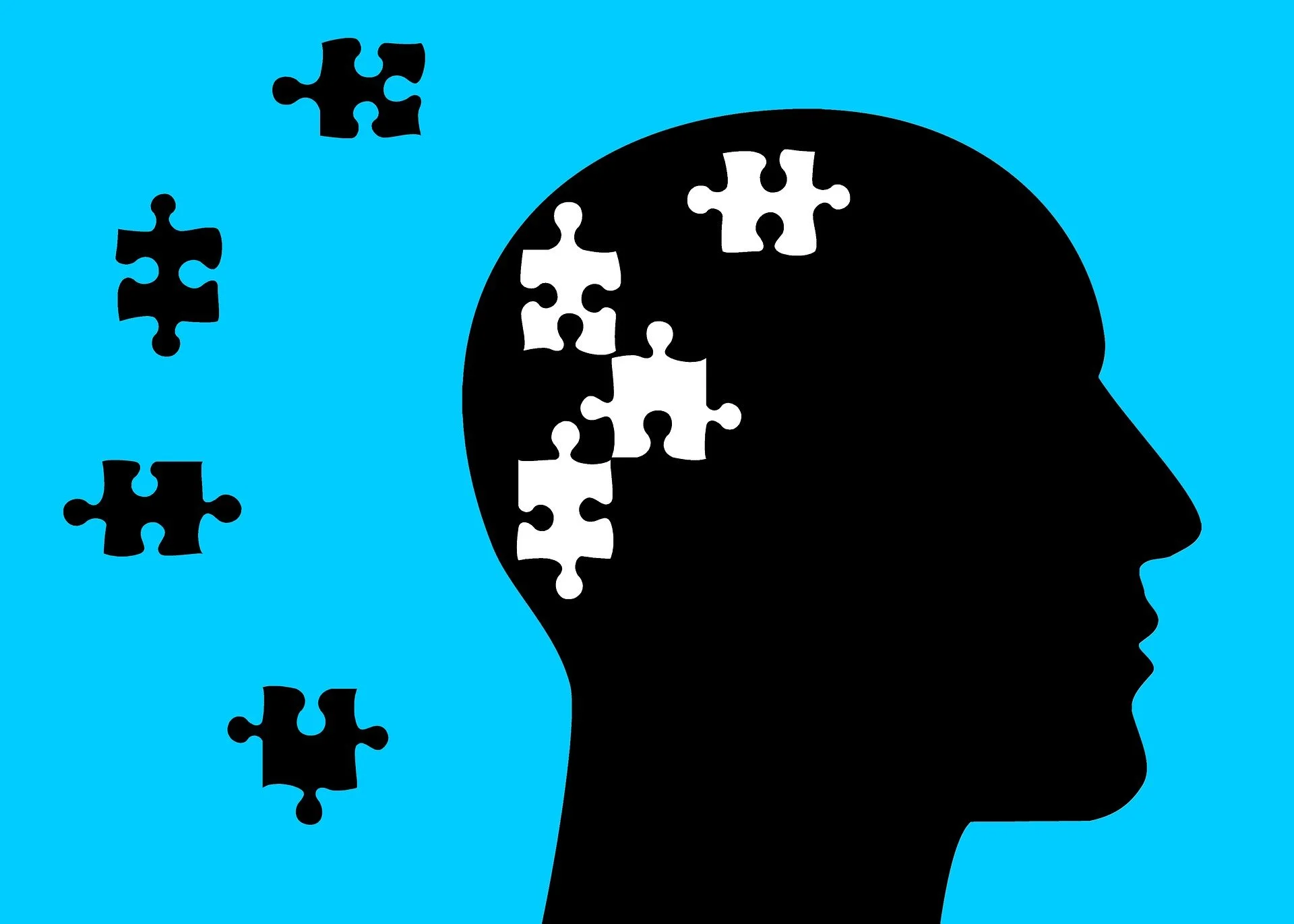
CBT Theory: An Evidence-Based Perspective to Therapy
Cognitive behavioral therapy emerged in the 1990s from multiple different influences. Evolving as a reaction to psychodynamic therapy, CBT was one of the first empirical methods of therapy, focusing on observation and data collection to create a treatment roadmap.

Interpersonal Therapy: Strengthening Relationships to Support Mental Health
Interpersonal Therapy is a type of therapy that suggests the difficulties we may face are not from something “broken” within us, but from normal changes that occur within our relationships.