
CBT Theory: An Evidence-Based Perspective to Therapy
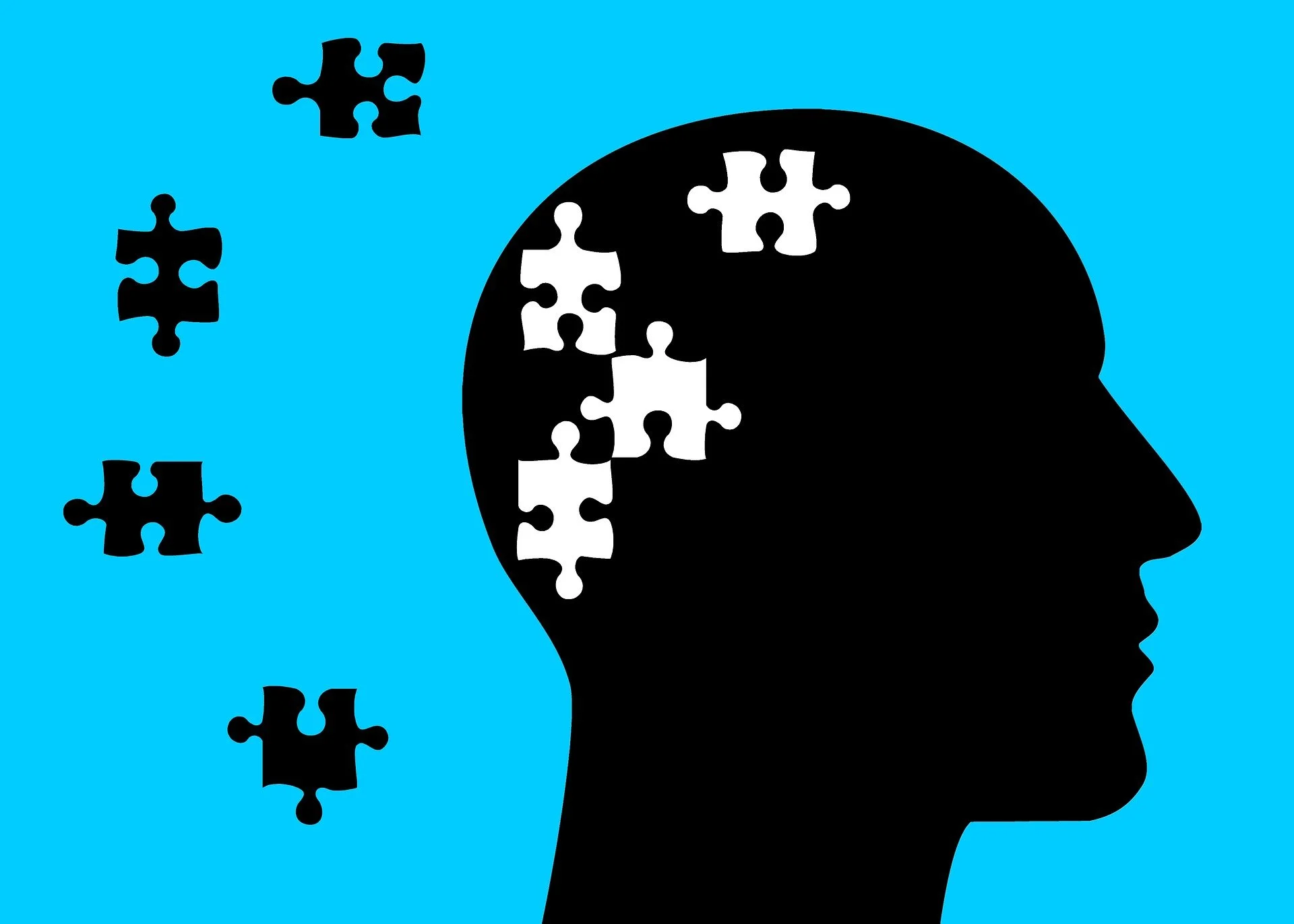
According to a randomized survey of therapists in the American Psychological Association, about 45% identified themselves as primary users of cognitive behavioral therapy, or CBT (Craske, 2017). CBT is among the most heavily utilized styles of therapy, alongside psychodynamic therapy and dialectical behavior therapy. It is especially useful for anxiety, depression, obsessive-compulsive disorder (OCD), trauma, or phobias. CBT takes an evidence-based approach to therapy, incorporating observations and experimental reasoning into the treatment plans for each client. Ultimately, CBT is used to help clients identify maladaptive behaviors through self-observation, challenge the beliefs that sustain these behaviors, and, finally, eliminate them or replace them with adaptive alternatives.
What is CBT?
Cognitive behavioral therapy emerged in the 1990s from multiple different influences. Evolving as a reaction to psychodynamic therapy, CBT focused on observation and data collection to create a treatment roadmap. During the early 20th century, psychodynamic therapists referenced anecdotes, emotions, and dreams in treatment. Psychodynamic therapy was highly popular during the first half of the 20th century, but some therapists began to search for an approach that relied more on observable measures, and thus behavioral theory emerged (Craske, 2017). Today, CBT and psychodynamic therapy are more fluid, and most therapists utilize a blend of strategies in their practice, but methods of therapy were more restrictive during the 1900s.
CBT emerged from a blend of cognitive therapy and behavioral theory, both of which involve empirical strategies. Behavioral theory was based on concepts of classical and operant conditioning, which were highly scientific ways of examining behaviors related to instincts, rewards, and punishment (Craske, 2017). Through conditioning, psychological disorders were considered to be the product of incorrect learning. However, behavioral theory alone faced criticism; it could not explain why only some individuals developed disorders from the same event, and it tended to be too simplistic because it overlooked the non-empirical elements of the human psyche (Craske, 2017). Alternatively, cognitive theory focused more on the non-measurable ideas from psychodynamic theory, implying that faulty thinking caused psychological disorders and maladaptive behavior. Compared to psychodynamic theory’s focus on past experiences, cognitive theory focused on current problems and provided a more comprehensive understanding of disordered behavior. Eventually, ideas from cognitive theory were brought into conditioning experiments, and cognitive and behavioral therapy were formally integrated in the 1990s (Craske, 2017).
Today, the main strategies of CBT heavily rely on learning from sensory experiences (or empiricism), cognitive origins, and behavioral applications. It is a short-term, scientific, and observation-based therapy method that allows the therapist and client to work together to create a flexible treatment plan, along with homework and benchmarks, to adopt adaptive behavior. CBT takes into account the client’s outward behaviors, as well as the beliefs and biases that cause them, and attempts to modify behavior at the cognitive source. CBT utilizes five main strategies, including cognitive restructuring, exposure therapy, behavioral activation, problem-solving, and response prevention, to provide treatment to clients.
Is CBT Right for Me?
Because CBT is structured around scientific observations, self-monitoring, and dynamic goals, it is most effective when used to address specific maladaptive behaviors and with clients who are willing to lean into their analytical traits. For maximum effectiveness, the therapist relies on the client to self-monitor their behaviors outside of the therapy room, and the client’s family may even be asked to collect data as well. The client is also trusted to maintain honesty and openness with self-observations since they cannot be guided by the therapist at all times.
The five-factor personality model, which describes participants in terms of their conscientiousness, openness, extraversion, agreeableness, and neuroticism, is often referenced when explaining the ideal personality type that corresponds to each method of therapy. Based on the five-factor personality model, CBT works best with clients who employ conscientiousness, agreeableness, and openness (Hemyari et al., 2021). For example, one study examined how the personality traits of the five-factor model affected the reduction of a rat phobia in clients being treated with CBT. The researchers found that clients higher in conscientiousness and agreeableness experienced a greater reduction in phobia strength (Hemyari et al., 2021). CBT seems to be less effective when clients are higher in neuroticism or are not as empirically driven.
Alternatively, CBT can be used to treat a variety of psychological conditions and behavior patterns, like generalized anxiety disorder, mood disorders (especially major depressive disorder), and trauma-related disorders, such as PTSD or phobias. It is also employed for conditions that involve maladaptive behaviors or thought patterns, including those that are typically associated with obsessive-compulsive and eating disorders (Craske, 2017). CBT is primarily used for cases of anxiety, depression, and behavior-specific disorders because of its goal to identify negative cognitive cycles and correct maladaptive behaviors. Since its introduction at the end of the 20th century, CBT has developed specific therapeutic strategies that respond to each of the aforementioned cases.
What Does CBT Look Like?
If a client begins receiving treatment from a therapist who primarily practices CBT, the course of treatment will differ depending on the behaviors, symptoms, or disorder the client may have. However, most clients receiving CBT will experience the same general therapy plan. To begin, the therapist will perform a functional analysis, through which they will determine the stimuli that cause the targeted behavior, as well as the thoughts and beliefs that contribute to it. For example, the automatic response for an individual with depression may be self-isolation, which is enhanced when they are at their new office job and is facilitated by negative emotions. The therapist and client then work together to construct a treatment plan with clear goals, homework, client self-monitoring, and in-session strategies that cater to the client’s needs (Craske, 2017). In the last example, benchmarks of success may be asking a friend to lunch or introducing themselves to a new coworker, and homework may include thought exercises that combat low self-esteem. Through the homework, observations, and in-session work, the therapist’s goal is to challenge the client’s negative thought patterns and replace associated maladaptive behaviors with positive interventions.
The specific strategies a therapist may employ in their treatment heavily depend on the client, as not all strategies can be generalized to all people. One of the most important strategies for CBT is cognitive restructuring. Cognitive restructuring begins with a conversation identifying how cognitive distortions can lead to the misinterpretation of events, the generation of negative emotions, and, eventually, behaviors that reinforce this thinking. The therapist then helps the client understand that their thoughts are hypotheses, not facts, and they will use Socratic questioning to deconstruct rigid scenarios and thinking patterns (Craske, 2017). If a client is catastrophizing, or assuming the worst-case scenario, this may include asking the client to describe the consequences of each layer of a thought spiral so that they can self-observe their thoughts and understand that they are often unrealistic. Cognitive restructuring is best suited for cases of anxiety and depression.
Another popular strategy within CBT is behavioral activation, which is most applicable to clients with depression because it prompts them to reengage with activities. Once a functional analysis is performed and the therapist understands which habits are maladaptive or avoidant, the therapist and client then construct an activity chart. This chart will contain a list of activities that transition from low to high stakes, and the client will be required to complete these outside of therapy. As the client completes these activities, all emotions and cognitions will be worked through in session. The goal of behavioral activation for the client is to participate in activities that provide natural positive reinforcement and relinquish avoidant behaviors (Craske, 2017).
Exposure therapy is another strategy within CBT that aims to reduce fear. This intervention is most useful for PTSD, phobias, OCD, and cases of anxiety that involve a certain environment or stimulus, such as agoraphobia. The goal of this approach is to expose the client to a feared stimulus for longer periods of time until their conditioned fear can progressively dissipate. For example, if a client was bitten by a dog and had developed a phobia of them, the therapist may introduce a therapy dog into their sessions. This allows the client to build trust and gradually decrease their fear of being bitten again. To ensure that the habituation, or acclimation, to the feared stimulus persists over time, self-exposure is also important (Craske, 2017). In the same scenario, the therapist may instruct the client to interact with a friend’s dog between sessions or visit an animal shelter. By the end of exposure therapy, the client should no longer expect a negative outcome when interacting with a given stimulus, or at least learn that such a negative outcome may occur only rarely.
Problem-solving training is heavily utilized for clients with anxiety and depression because it simplifies decision-making, though it is also used for general stress management. Anxiety and depression can significantly cloud one’s mental clarity, so reinforcing problem-solving skills for clients with these conditions is very important in treating them. In the first phase known as problem definition, the therapist will explain that problems occur in everyday life, and the client will learn how to identify them as they arise. Then, the therapist will teach the client to think of as many solutions as possible to the problems that they may face. This can be modeled by having the client name all of the ways a certain object – a string, a brick, or a shoe, for example – can be used. The therapist and client will then work together to create a cost-benefit analysis of the client’s solutions, which mimics decision-making (Craske, 2017). Finally, the client will learn how to create an action plan. The goal of this training is to repetitively model these steps in session so that the client can apply them to external situations and regain confidence in themselves when making decisions.
The final major strategy employed by CBT is response prevention, which aims to stop problematic behaviors before they happen. This strategy is related to blocking avoidant and compulsive behaviors, and it best applies to clients with OCD. This strategy requires the therapist to explain that the focus is to alleviate compulsions over time instead of stopping obsessive thoughts. Because obsessions build anxiety and compulsions relieve it, the goal of this method is to help clients understand that anxiety will naturally diminish without engaging in compulsions, which end up heightening anxiety over time. To help clients combat their compulsive behavior, the therapist may expose the client to an obsession and prevent them from engaging in their compulsion. Prevention of compulsive behaviors may be done gradually or by abrupt withdrawal (Craske, 2017). Ultimately, there are many strategies associated with CBT that therapists can utilize when treating diverse clients.
Is CBT an Effective Treatment?
Although CBT is the most widely used method of therapy, it has its own significant drawbacks. The empirical nature of CBT can be beneficial because it provides clearer markers of progress and maladaptive behaviors. However, CBT relies on patients fitting roughly into an archetype of the analytical, free-thinking person, and deviations from this create weaknesses. For example, through self-assessments, homework, and behavioral activation, CBT requires full cooperation and determination from the client. If the client is unable to actively participate in observations, perhaps due to another mental disorder, having a less organized personality, or a lack of available time, CBT will be much less effective. As with most therapy methods, CBT’s effectiveness decreases with the severity of the client’s case. If the client has severe depression, they are less likely to actively engage in treatment. If a client has a personality disorder, they are less likely to cooperate with the treatment. Additionally, if a client is on an antipsychotic, they may attribute thoughts and behaviors to the medication and not themselves (Craske, 2017).
Additionally, CBT can be a weak treatment for certain individuals because diversity was not the priority when it was integrated in the late 1900s. CBT was constructed around a North American and European societal structure that prioritizes independence, free thinking, and autonomy. Other societies, especially those in Africa, Asia, and South America, prioritize the needs of the whole family, which could include values of closeness, caring for elders, and spirituality. Because of the Eurocentric values of CBT, it may not be the best treatment for individuals from other cultures because they may feel less obligated to complete the homework or less empowered through the therapy model (Craske, 2017). Therefore, therapists need to have a good understanding of a variety of therapy methods to cater to each client.
Furthermore, CBT does not contain strategies that address unconscious thoughts, past experiences, or childhood upbringings. Therapists may delve into this in therapy if it is brought up naturally, but CBT is not meant to heavily draw upon elements of the self that are not in the present. If a client presents with an automatic negative thought pattern and a maladaptive behavior due to a deeply ingrained childhood experience, there is a chance that CBT cannot fully uncover these past emotions and may instead provide a weaker, temporary way of thinking.
Therapists need to acknowledge the weaknesses of CBT when they are taking on new clients, but the method also has many positives. Overall, CBT is the most empirically researched and supported therapy method today (Craske, 2017). Its scientific treatment process and explicit phases have prompted hundreds of studies on its effectiveness, and many of CBT’s strategies are now woven into baseline therapy kits. CBT was also among the first therapeutic methods to recognize the interconnectedness of the mind, emotions, and behaviors, and it aims to provide clients with long-lasting strategies to maintain adaptive connectivity between them.
More specifically, CBT can be successfully applied to a wide variety of mental disorders without significant chances of regression or relapse. CBT is most effective for cases of major depressive disorder, generalized anxiety disorder, panic disorder, social anxiety, OCD, PTSD, phobias, and childhood anxiety and depression. It is slightly less effective for cases of eating disorders, but still significantly beneficial. CBT is weakest only toward cases of personality disorders or psychotic disorders. As aforementioned, clients with these disorders may be inconsistent with their regimen, may misattribute improvements after becoming medicated, or may be less reliable for self-observation. CBT is most effective for anxiety when applied at a young age, during which the adaptive strategies seem to persist longer, but when applied to depression, it is effective at any age (Craske, 2017). Research into the success of CBT on diverse cases of depression is a bit inconsistent, but overall, CBT is the most commonly used for anxiety and depression.
Finally, CBT is effective because therapists can provide their clients with mechanical ways to deal with maladaptive behaviors that can persist for decades after therapy ends. The general format of CBT equips you with coping skills that are logical because they clearly connect the mind, the feelings, and the actions. Furthermore, the majority of individuals who are treated by cognitive-behavioral therapists avoid relapse and retain these coping strategies (Craske, 2017). The therapy process for CBT also mirrors that of a student-teacher relationship. The therapist teaches strategies and provides homework that contributes to the therapy model while allowing the client to learn what works best for them and on their own time.
Main Concepts
In sum, CBT attempts to target maladaptive connections between the cognition, feelings, and behaviors in potential clients. This trio is ultimately known as the cognitive triangle. When the connection between these is maladaptive, these core concepts transform into negative thoughts about oneself, negative feelings stemming from a compulsion, anxiety, or other internal condition, and negative behaviors (Profits, 2024). Understanding the cognitive triangle and what each of the concepts refers to proves to be a powerful tool, inside and outside of therapy. When utilized correctly, it can help any individual identify negative connections between these concepts, what the root cause may be, and how to move forward. This triangle is the backbone of CBT, and it is an introduction to the strategies one may experience if they choose to begin working with a cognitive-behavioral therapist.
Many methods of therapy target different areas of the human experience, mind, and body, so determining whether CBT is the right choice for your experiences can be a challenge. Some common distortions that cognitive behavioral therapists work through are arbitrary interpretation, selective filtering, and personalization. Arbitrary interpretation is when an individual makes a negative statement about their surroundings, an event, or other people that stems from no real evidence (Whalley, 2019). For example, an individual walking into their brand new job may interpret that their coworkers are already gossiping about them. Selective filtering is when one detail is taken out of context, while other details or explanations are ignored to explain a given scenario (Whalley, 2019). For example, if a track athlete performs poorly in one race but excels in all others, they may filter out their successes and define themselves as a bad runner because of their one negative race. Personalization occurs when an individual may experience a series of external events and relate them to themselves rather than to coincidence (Whalley, 2019). For example, an individual may assume that the world is out to get them if they get rained on while outside, wake up on the wrong side of the bed, or forget an item at the grocery store.
If you feel that you relate to any of the aforementioned information about CBT, anxiety, or thought patterns, here are some useful resources to check out:
Hack Your Anxiety by Alicia H. Clark, Psy.D.
Maybe You Should Talk To Someone by Lori Gottlieb, LMFT
References
Craske, M. G. (2017). Cognitive-behavioral therapy (2nd ed.). American Psychological Association.
Hemyari, C., Kamiar Zomorodian, M., Shojaee, M., Sahraian, A., & Dolatshahi, B. (2021). The effect of personality traits on cognitive behavioral therapy outcomes in student pharmacists with rat phobia: A randomized clinical trial. Iranian Journal of Medical Sciences. https://doi.org/10.30476/ijms.2019.82341.1045
Profits, T. (2024, March 7). How to use the cognitive triangle. AANMC. https://aanmc.org/naturopathic-medicine/cognitive-triangle-cbt/ Whalley, M. (2019, March 18).
Cognitive distortions: Unhelpful thinking habits. Psychology Tools. https://www.psychologytools.com/articles/unhelpful-thinking-styles-cognitive-distortions -in-cbt